
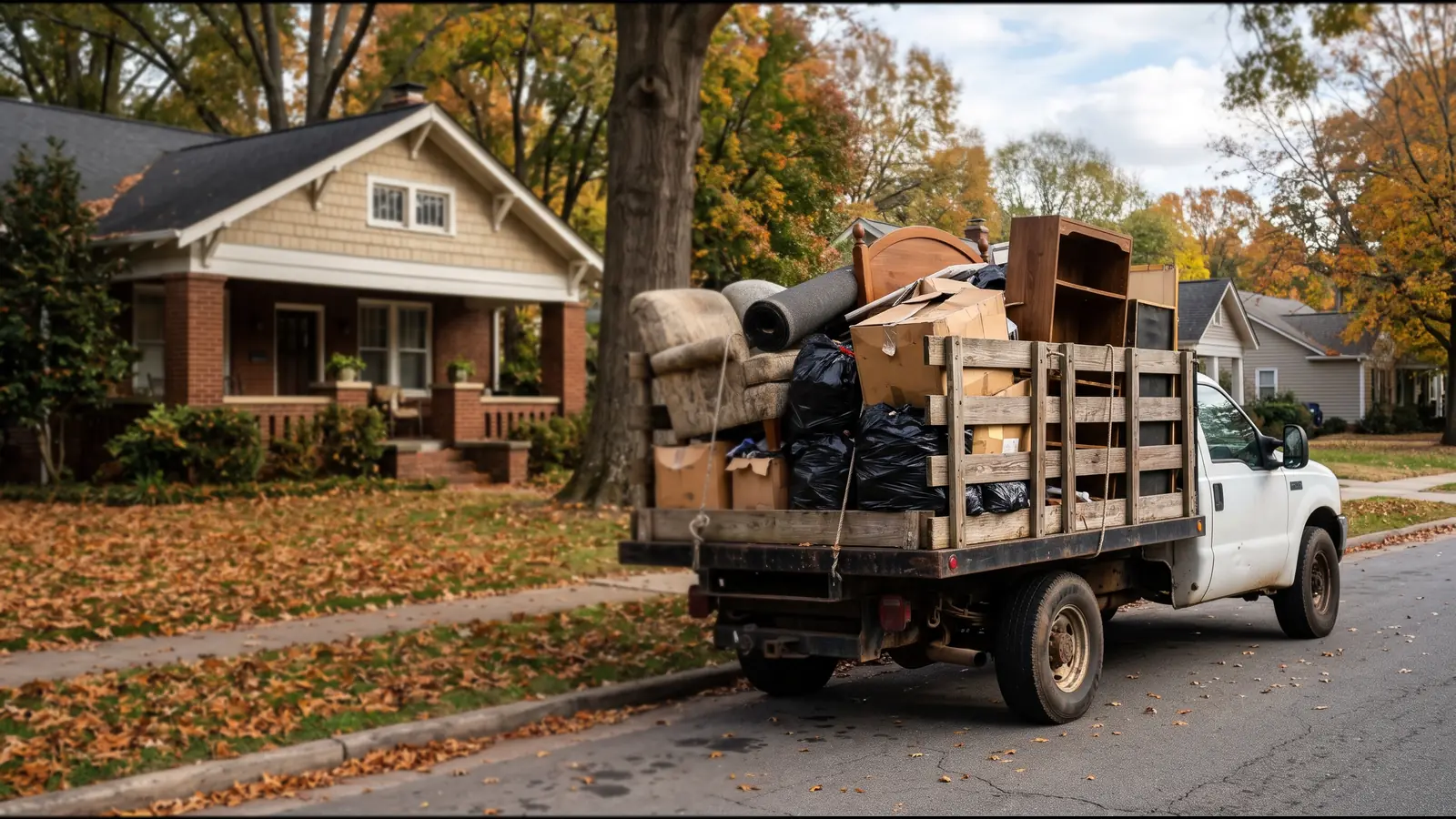
House Cleanout Jobs, Room by Room
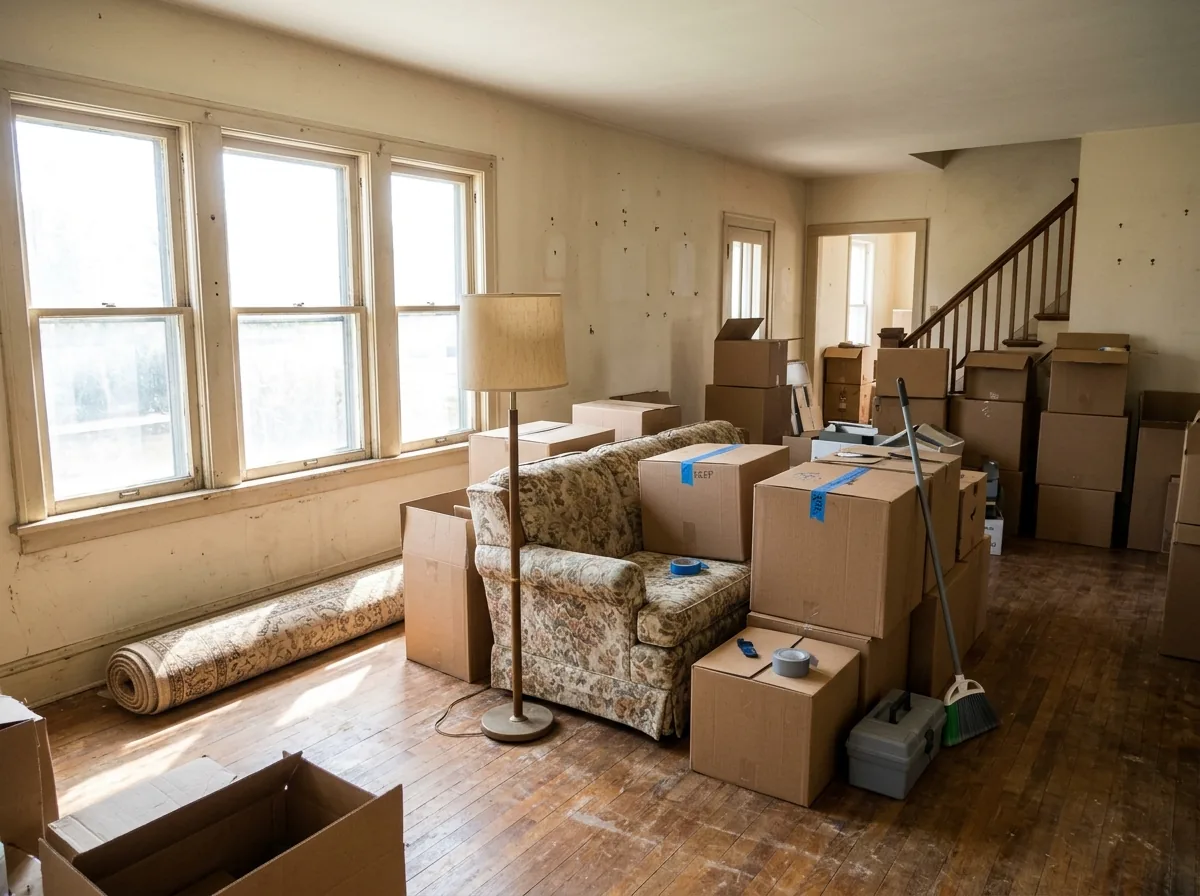
Whole-house cleanouts before a move or sale
This is the job where the house has to be empty by a date: a closing, a lease end, a listing photo shoot. The usual way to run it is to tag what stays (painter's tape works), walk the hauler through once, and let the crew take everything untagged, room by room, starting at the back of the house. When the house belonged to someone who has died, the estate cleanout page covers executors, estate sales and the timing that goes with them.
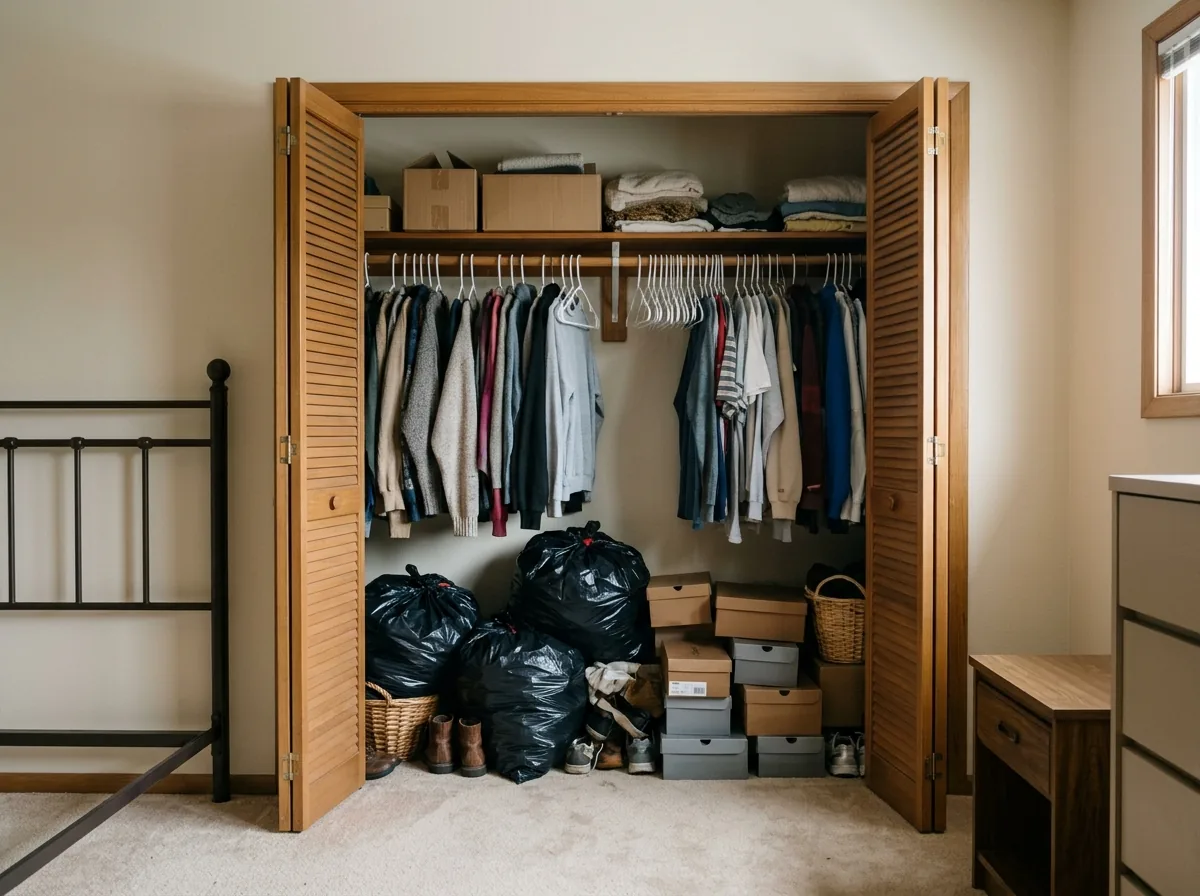
Bedroom and closet cleanouts
Closets hold more than people expect: clothes, shoes, linens, boxed papers, the treadmill nobody used. Clothing and shoes in decent shape are worth a separate bag, since Goodwill takes them; the local ReStores don't take sheets, drapes or comforters. The donation pickup page lists what each charity accepts. Mattresses are a separate line item covered under mattress disposal.
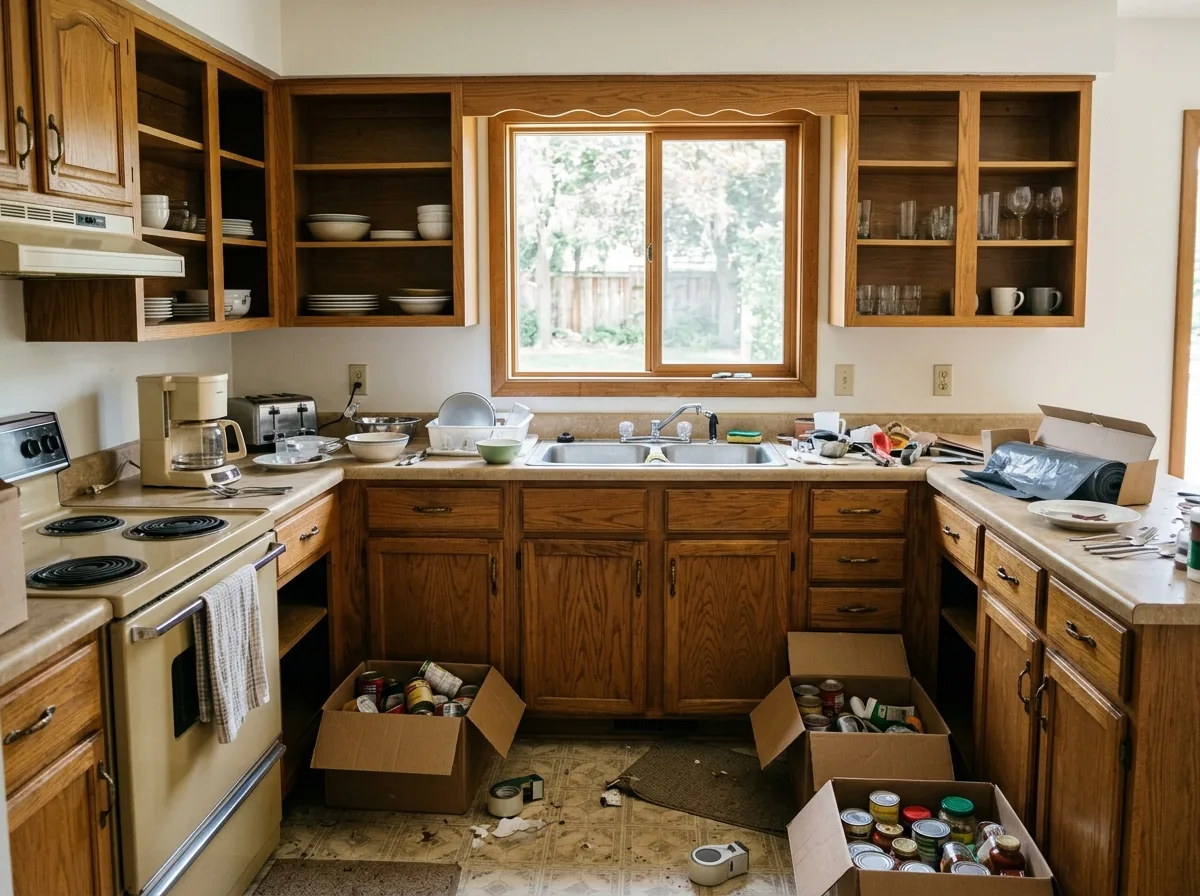
Kitchen and pantry cleanouts
A kitchen is mostly small, heavy things: dishes, cast iron, canned goods, countertop appliances. Boxed dishes and housewares are another Goodwill category. Microwaves and toasters don't count as "white goods" under the City's rules, so they go with the general load, while the range, fridge and dishwasher follow the rules on the appliance removal page. Clear the cabinet under the sink last; that's where the drain cleaner and bug spray live.
Crawl space and porch storage
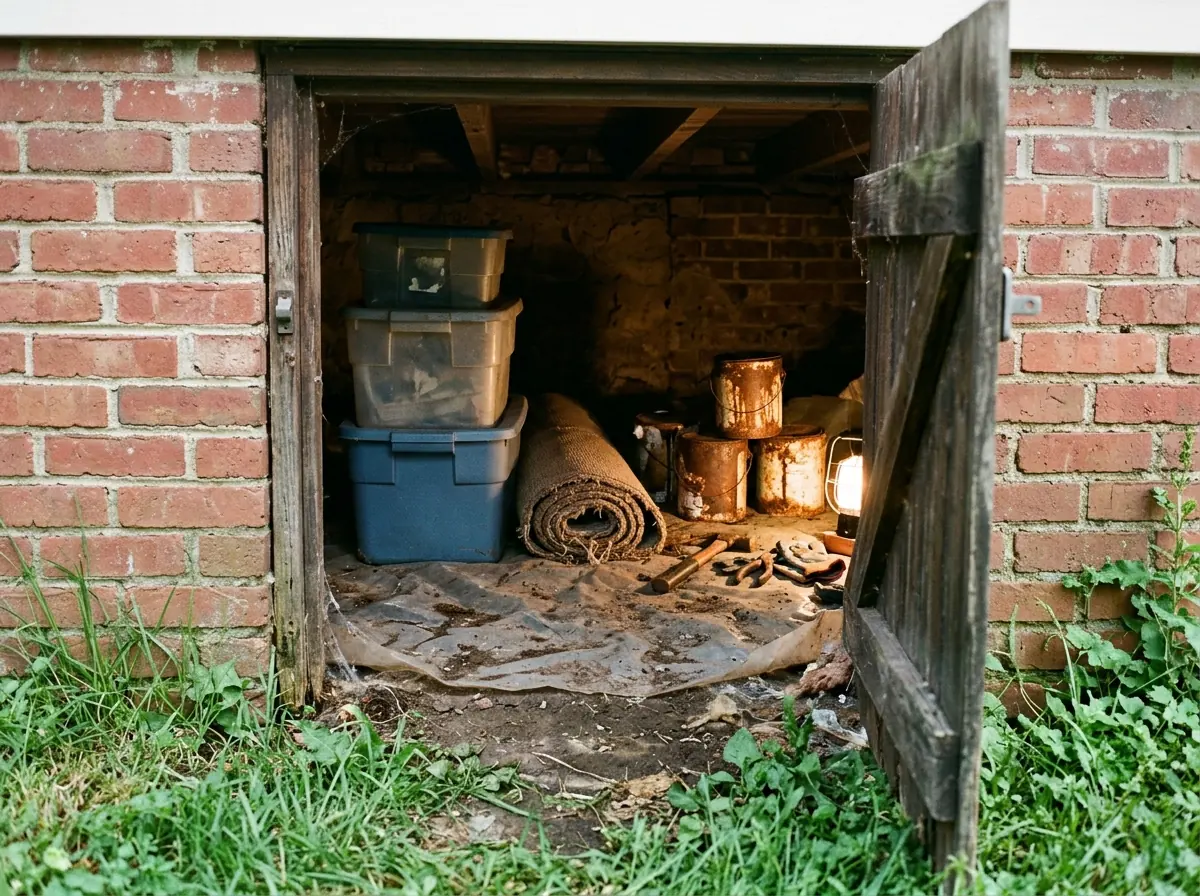
In a house with a crawl space or an enclosed back porch, that's usually where the overflow went. Crawl space work is slow: everything comes out on hands and knees through a small access door. Old paint cans and kerosene jugs tend to collect down there, and those are on the county's household hazardous waste list, not the truck. The homepage lists where they go.
Why Winston-Salem homeowners call Winston-Salem Junk Co.
- Your request goes to a single independent hauler
- Hear the all-in figure before anything is carried out
- Calling is free; the hauler bills only the job you OK
- Mention stairs, a gate code or a hot tub when you call
House Cleanout Prep Checklist
A few hours of sorting before the crew shows up saves money and avoids losing something you meant to keep.
Tag what stays
Tape or sticky notes on every piece that isn't going. Untagged means it goes.Pull papers first
Deeds, tax files, photos and old letters hide in dresser drawers and shoe boxes. Go through those before anything else.Separate donations
A clean sofa or a box of dishes headed for charity takes up truck space you're paying for. Group them in one room and ask whether the hauler makes donation drops.Set aside electronics
TVs and computers can't go to a North Carolina landfill. The TV and electronics disposal page explains the options.Note the access
Steep driveways, a narrow basement stair or no parking near the door all add time. Say so on the first call.
What a House Cleanout Costs
Haulers price a cleanout by volume. National 2026 figures put a full truckload at $600 to $800, and a house with a full attic, garage and basement can take more than one. Heavy material changes the math: the landfill charges by the ton, so plaster, books and old tile cost the hauler more to dump than the same space of cushions. The homepage has the full load-by-load price table and the county landfill fees.
The fastest way to cut the bill is to shrink the load before the truck comes. Every piece that sells, gets donated or goes home with a relative is volume you aren't paying to haul. Ask the hauler for a price per truckload and whether a partly filled second load is billed by the fraction. Get the quote in writing if the job will span two days, so the second visit isn't a surprise.
See garage cleanout if the garage is its own project.