
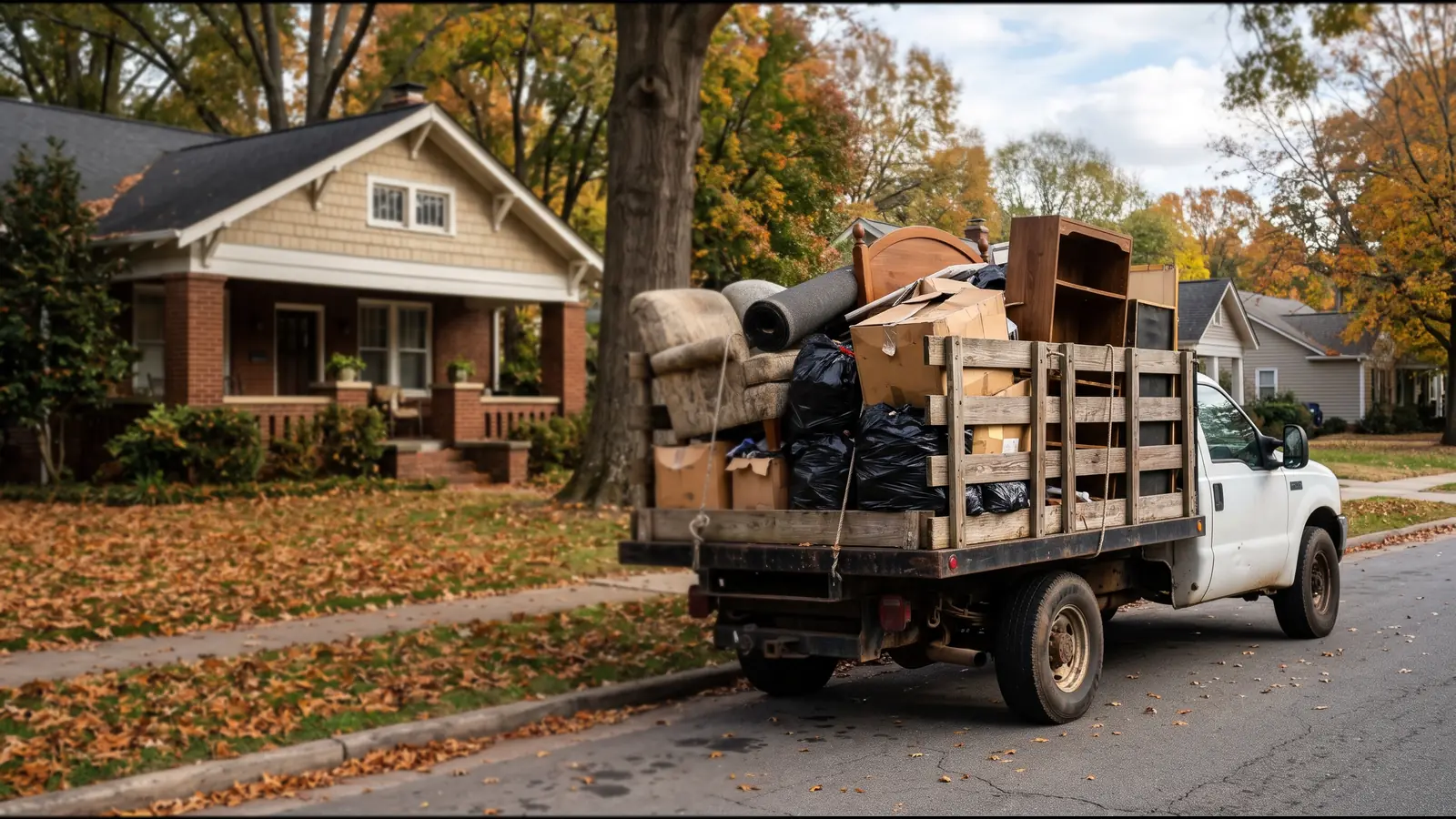
Appliance Types a Hauler Takes Away
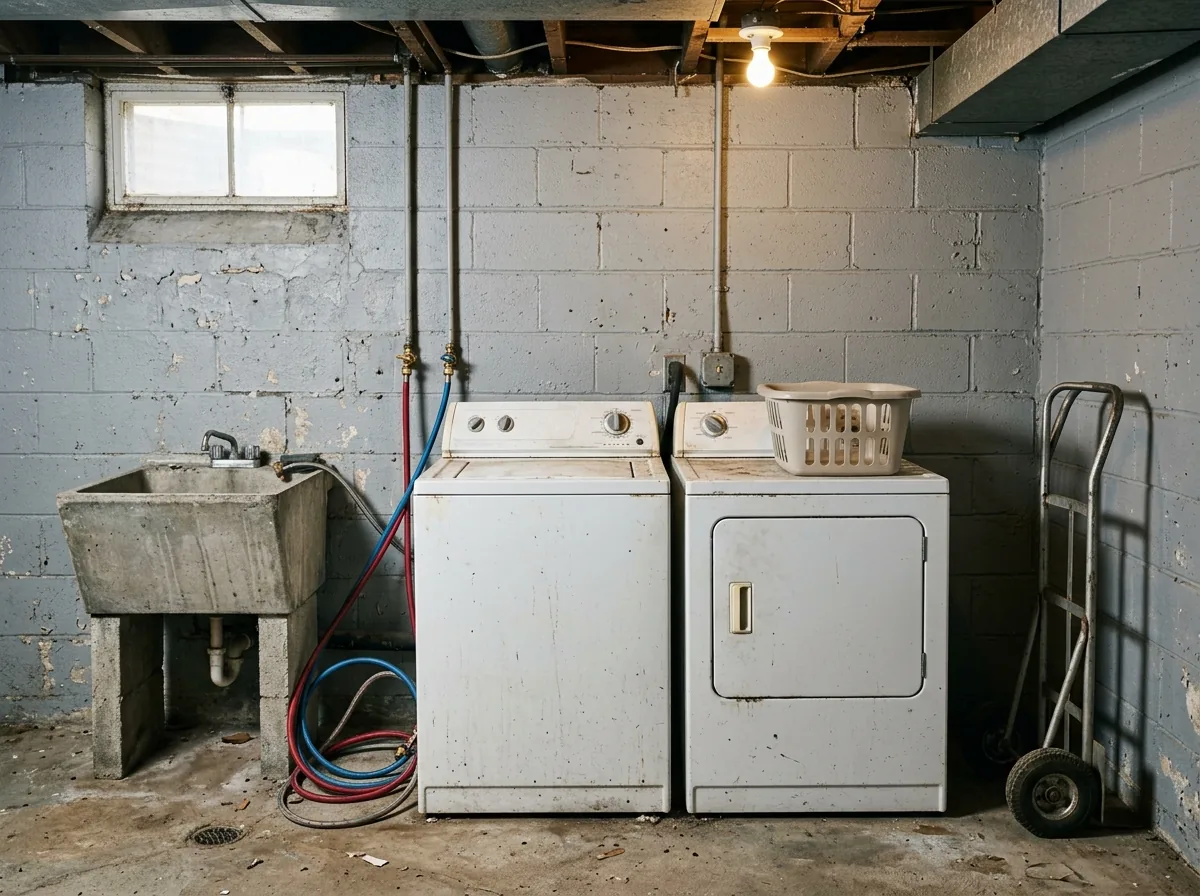
Washers and dryers
National cost guides put a washer or dryer at $100 to $250 to remove; HomeGuide's range for the pair runs $70 to $205. Laundry rooms in basements push the price toward the top, since a washer has to come up a narrow stair on a hand truck. Before pickup, unplug both, close the water valves and empty the drain hose into a bucket. A gas dryer needs its gas line capped by someone qualified.
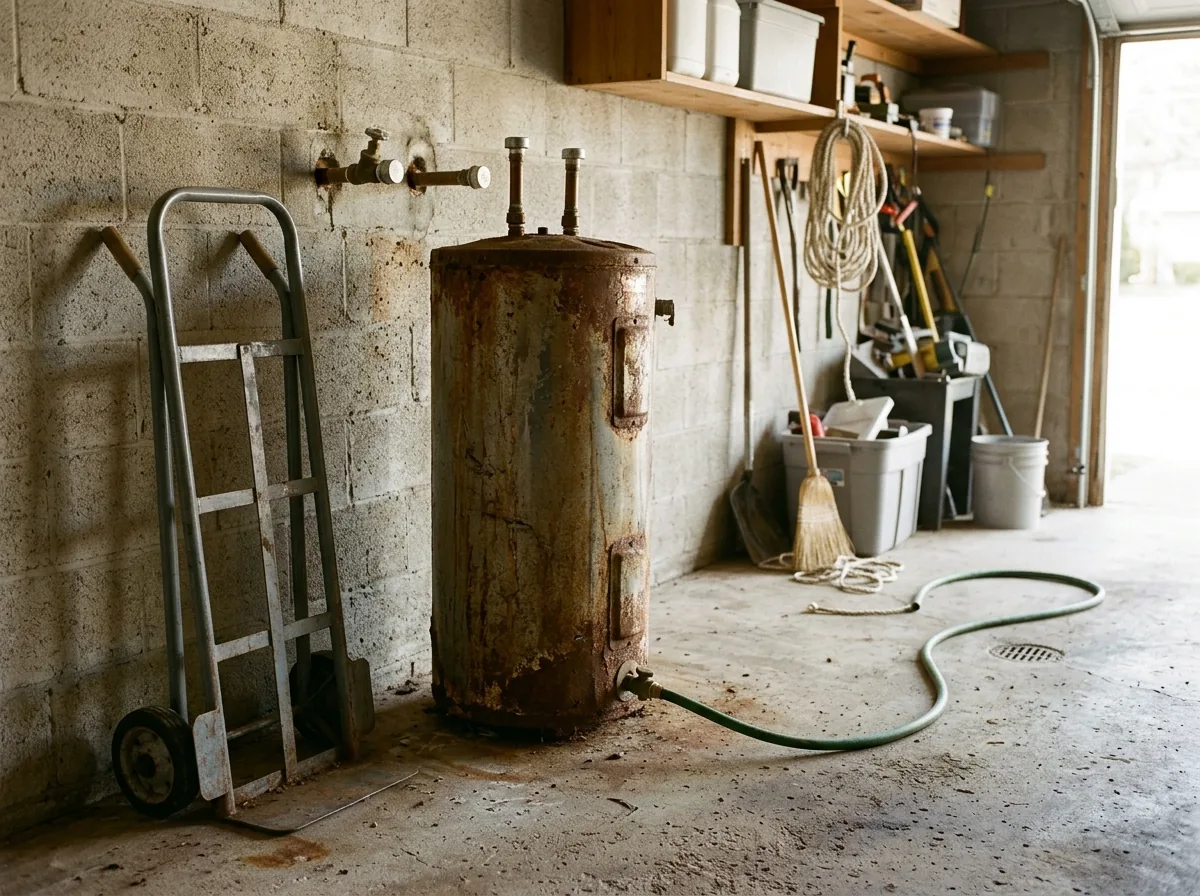
Water heaters
A tank water heater is a white good and goes to the same appliance area as a washer. Removal runs $100 to $250 in national data. Drain the tank fully before pickup; a tank with water left in it is a much heavier carry. If a plumber installed the new heater and left the old one in the garage, the hauler only has to load it.
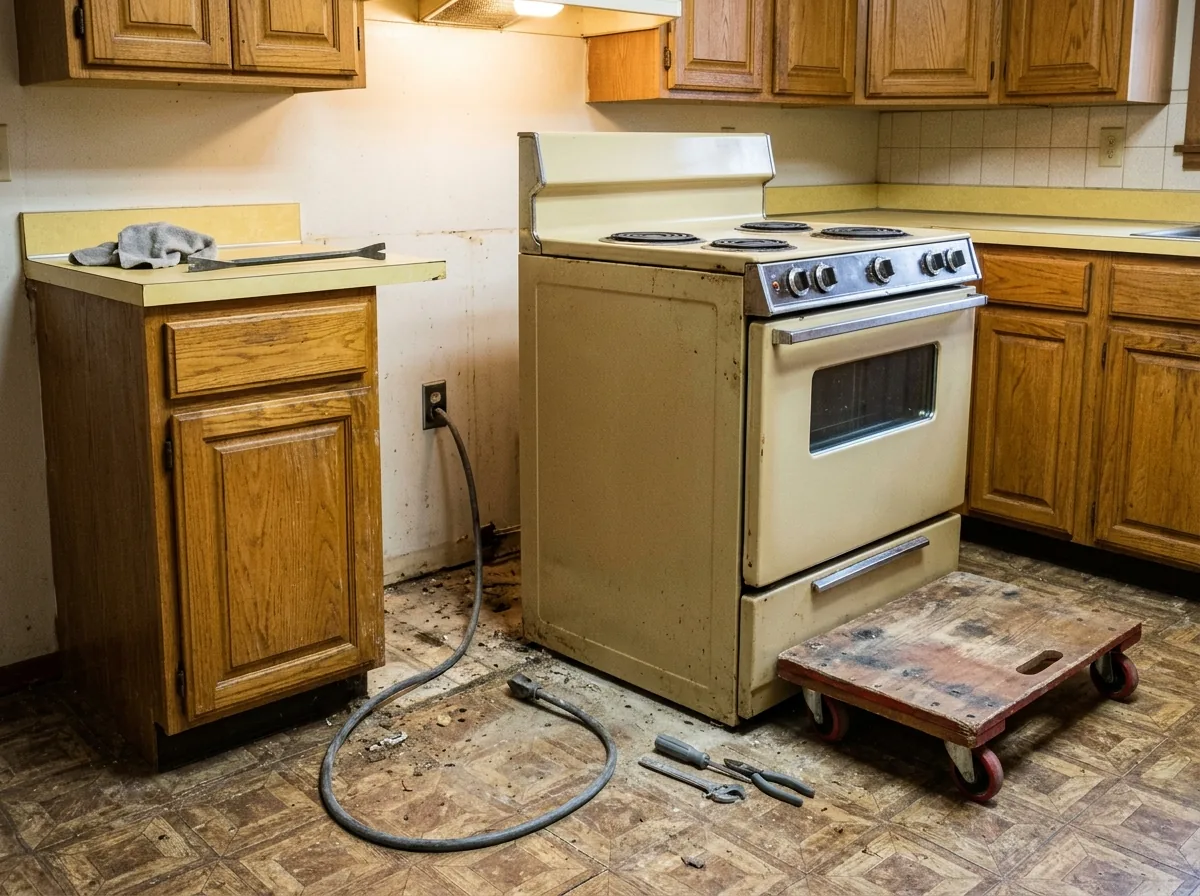
Ranges, ovens and cooktops
An oven costs $75 to $150 to haul away in national data. Electric ranges unplug from a heavy-duty outlet behind the unit; gas ranges need the line shut and capped, which runs $50 to $100 if you hire it out. Ranges and stoves both count as white goods. Wall ovens and drop-in cooktops are wired into the cabinets, so have them pulled before the crew arrives.
Dishwashers and built-in microwaves
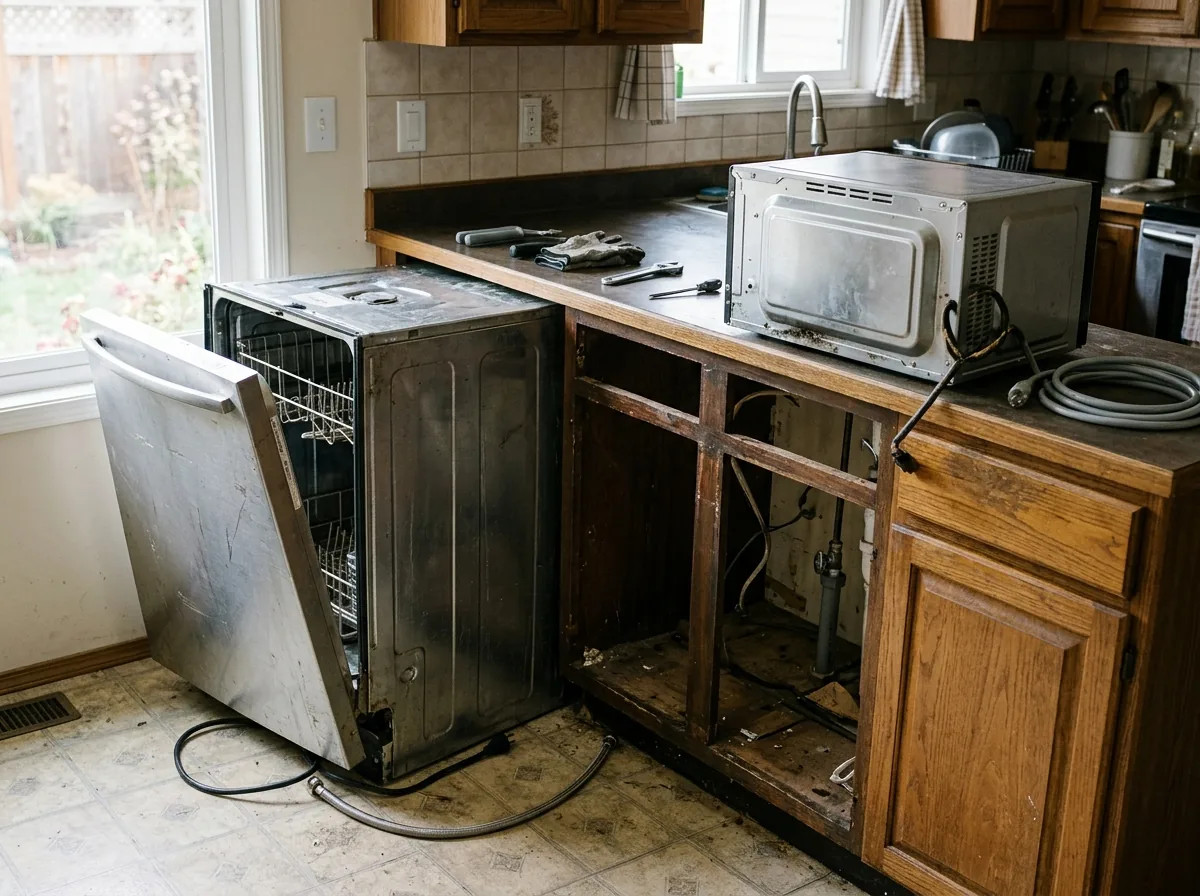
A dishwasher has a water line, a drain and power, so it's a disconnect job before it's a haul job. It's also on the white-goods list. A microwave isn't, so an over-the-range unit goes with the general load once it's unbolted from the cabinet above. Both come out easily during a kitchen remodel; if a contractor is already there, ask them to pull the units and set them aside.
Why Winston-Salem homeowners call Winston-Salem Junk Co.
- Your request goes to a single independent hauler
- Hear the all-in figure before anything is carried out
- Calling is free; the hauler bills only the job you OK
- Mention stairs, a gate code or a hot tub when you call
Appliance Disposal Rules in Forsyth County
North Carolina's landfill ban, G.S. 130A-309.10(f), lists white goods alongside tires and used oil, so a whole washer can't legally go in with the household trash. The City of Winston-Salem's solid waste division sorts them this way:
White goods
air conditioning units, dryers, washers, dishwashers, freezers, hot water heaters, ranges, refrigerators, stoves and trash compactors.Not white goods
microwave ovens, TVs, grills, propane tanks, vacuum cleaners and small tabletop appliances.Where they go
every white good in the county can be dropped off free at the designated appliance area of the Hanes Mill Road landfill.Refrigerant
under EPA Section 608, the last stop in the chain, a scrap recycler or landfill, has to confirm the refrigerant was recovered. It needs a signed statement with the name and address of whoever recovered it and the date; a sticker on the unit doesn't count.
Appliances are mostly steel, which is why they get scrapped rather than buried. The EPA counted 5.3 million tons of major appliances discarded in 2018, and about 3.1 million tons of ferrous metal were recovered from them that year. Ask the hauler whether scrap value comes off your price. Scrap metal pickup covers the yards that buy it.
Getting an Appliance Ready for Pickup
Disconnect it
Power off at the plug or breaker, water valves closed, gas capped by a pro.Drain it
Washer hoses and water heater tanks hold more water than you'd think.Empty it
No clothes in the dryer drum, no dishes in the racks.Measure the way out
Doorways, the turn at the basement stairs, the back steps. Tell the hauler about anything tight.
The City's free bulky pickup also takes appliances from single-family homes, once a year; the homepage has the dates and limits. Local charities are pickier: the ReStores refuse appliances over ten years old and Goodwill takes no large appliances at all, as the donation pickup page explains.
See refrigerator disposal for fridges, chest freezers and window AC units.